🚗 Tire Size Comparison & Speedometer Calculator Guide
Changing the tires on your car, truck, or SUV is one of the most common automotive upgrades. Whether you are "plus-sizing" to larger rims, installing off-road tires, or trying to understand what the numbers on the tires mean, you must understand how changing your tire size impacts your vehicle's mechanics.
Using a tire size calculator allows you to compare the original factory tire specifications against a new tire. It reveals changes in ride height, width, and crucially calculates your speedometer error to ensure you don't accidentally get a speeding ticket!
🔍 What Do Numbers on Tires Mean?
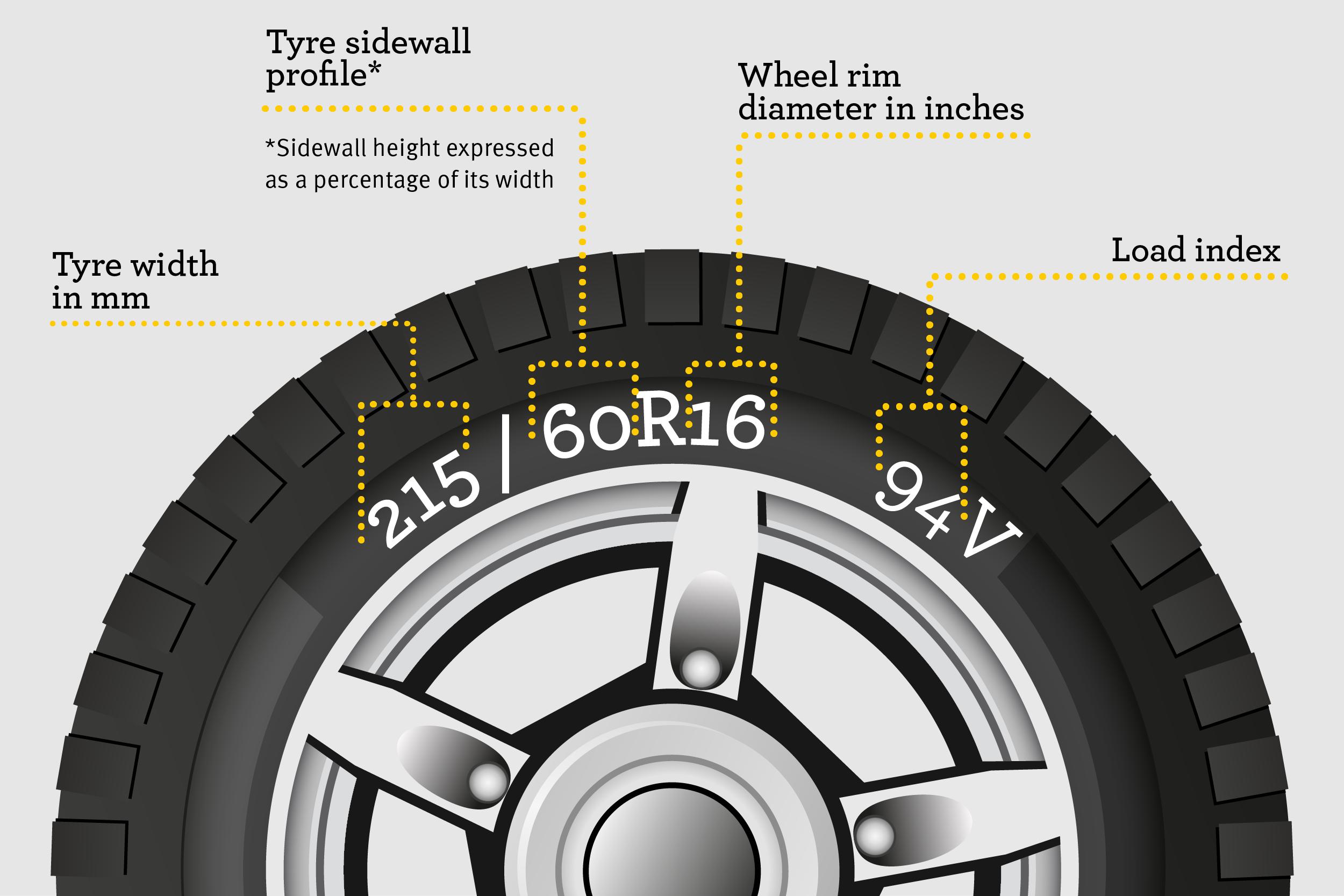
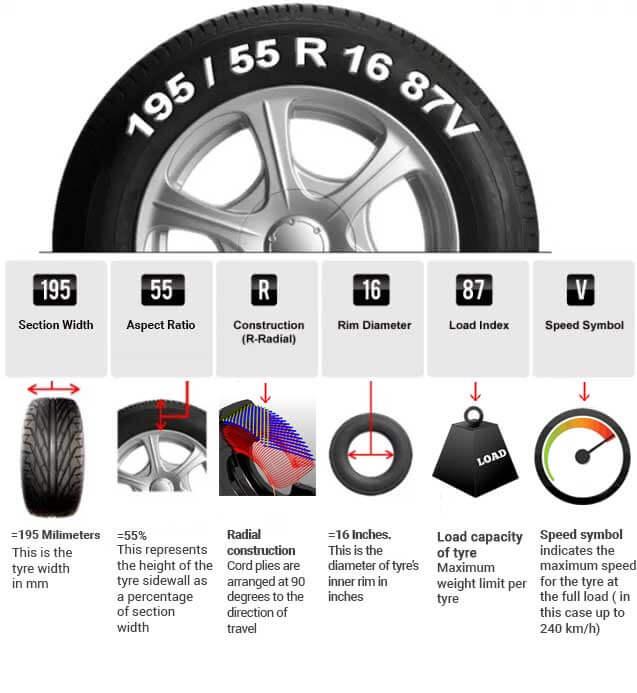
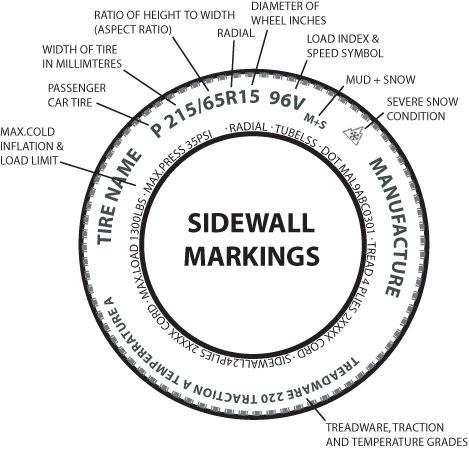
Tire sizes look like a confusing mix of numbers and letters. Let's break down a highly searched example: 215/60 R16 95H.
| Marking | Meaning |
|---|---|
| 215 | Tread Width in millimeters. |
| 60 | Aspect ratio. The sidewall is 60% as tall as the tire is wide. |
| R | Radial construction method. |
| 16 | Rim size (Wheel Diameter) in inches. |
| 95 | Load Index (Max Weight Capacity). |
| H | Speed Rating (Max Safe Speed). |
Tire Chart Ratings: Load Index & Speed
Choosing a tire by physical size is not enough; it must safely support your car's weight and top speed.
- What is load index 110? A tire rated 110 can carry a massive 1,060 kg. A lower rating of 91 can only carry 615 kg.
- Speed Ratings: An
Hrating means the tire is safe up to 210 km/h. AWrating is safe up to 270 km/h. Therefore, a 110W tire is designed for heavy loads at extreme speeds.
🧮 Tire Size & Speed Calculator Formulas
If you want to know how our calculator determines the physical dimensions of a tire, here is the exact math used by automotive engineers:
1. Sidewall Height (inches)
$$Sidewall = \left(Width \times \frac{Ratio}{100}\right) \div 25.4$$
2. Overall Tire Diameter (inches)
$$Diameter = (Sidewall \times 2) + Wheel Diameter$$
3. Speedometer Error Formula
$$Actual Speed = Speedometer Reading \times \frac{New Tire Diameter}{Old Tire Diameter}$$
⏱️ What is Speedometer Error?
Your vehicle’s computer determines how fast you are going by counting how many times the wheels rotate (using the tire rev per mile calculator logic). It is programmed at the factory assuming you have the stock tire size.
Bigger Tires: The overall circumference is bigger. This means your car travels further across the pavement with every single rotation. Because the computer doesn't know you changed the tires, your speedometer will read a slower speed than you are actually traveling (Speedometer reads 60, but you are going 65!).
Smaller Tires: The opposite happens. The tire makes more revolutions per mile, causing your speedometer to read faster than your actual physical speed.
⚠️ The 3% Safety Rule for Plus Sizing
When modifying your wheels, the golden rule is to stay within a ±3% difference in overall diameter compared to the original factory tires.
- ABS & Traction Control: Modern cars use wheel speed sensors. If the tire size difference is extreme, the computer may falsely trigger the Anti-lock Braking System.
- Transmission Shifting: Automatic transmissions shift gears based on vehicle speed. Drastically altering the tire size can cause harsh shifting, which destroys your Fuel Efficiency.
🔧 How to Correct Speedometer for Larger Tires
If you install tires that exceed the 3% difference (like lifting a truck for off-roading), you must fix the speedometer. Options include:
- ECU Remapping: Reprogramming the car's computer using an OBD-II tool to accept the new tire size.
- Speed Sensor Adjustment: Installing a physical inline correction device between the speed sensor and the dashboard.
❓ Frequently Asked Questions (FAQs)
- What do numbers on tires mean?
Width, aspect ratio, rim size, load index, and speed rating. - What is a tire size speed calculator?
A tool that determines how much faster or slower you are actually traveling compared to what your dashboard says after changing wheel sizes. - What is tire rev per mile?
The total number of full 360-degree rotations a tire makes to travel exactly one mile. Larger tires have lower revs per mile. - Does tire size affect gas mileage?
Yes. Larger, wider tires weigh more and increase aerodynamic drag and rolling resistance. This forces the engine to work harder, decreasing your MPG.
🚀 Key Takeaways
- ✔️ Always compare tire sizes mathematically before buying new wheels.
- ✔️ Stay within a 3% diameter change to avoid ABS and transmission errors.
- ✔️ Remember: Bigger tires = higher actual speed than your dash shows!
- ✔️ Never ignore the Load Index and Speed Rating when buying tires.
Leave a Comment or Ask a Question
Policy: To prevent spam, URLs and website links are strictly prohibited.
Recent Comments
Loading comments...